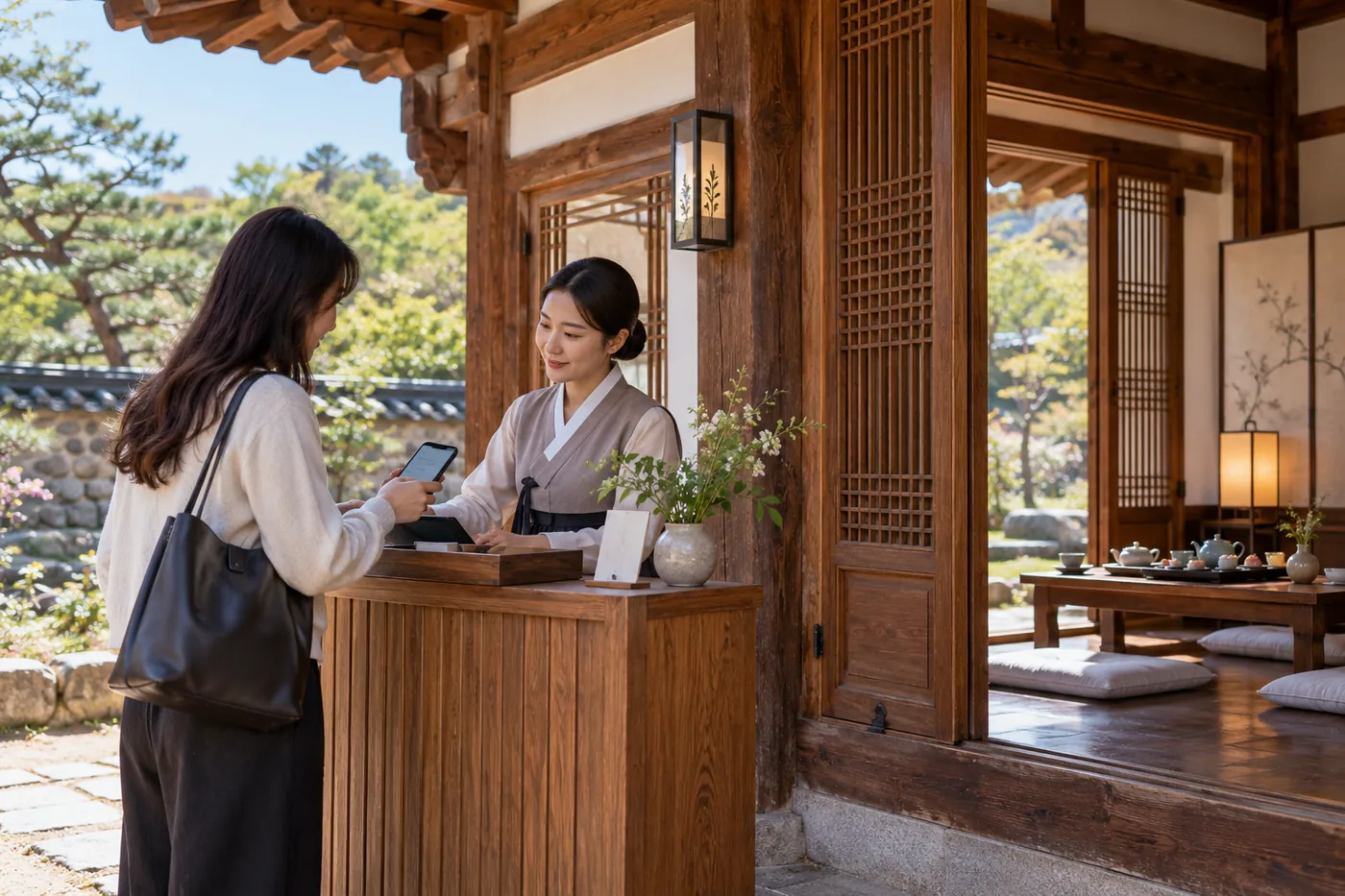
Organisers can combine a lottery with first-come booking when allocating places for a popular cultural experience. For its autumn 2026 programme, Saenggwabang at Gyeongbokgung Palace first drew applicants for priority booking. Winners were then invited to choose an available date and session on a first-come basis and pay within a set period.
For a planner, the important task is to explain clearly what winning guarantees. Following the reference standard "Case Article Review", this column distinguishes the confirmed booking schedule from operating suggestions for other events.
1. Separate the draw from the booking: a visit date and a booking opportunity are different
According to the Korea Heritage Agency, Saenggwabang's draw gave winners an opportunity to book during a priority window rather than assigning a specific visit date. Winners could choose a date and session themselves, but a popular session might no longer be available if other winners booked it first.
- Explain the choice clearly: When using a similar arrangement, organisers can tell applicants before entry that winning provides a priority-booking opportunity and does not guarantee their preferred date or session. Showing available dates, companion-ticket limits and the payment deadline together helps applicants understand what comes next.
- Assess operating outcomes separately: Participants can choose a session that fits their schedules, but that alone does not establish a reduction in cancellations, no-shows or ticket scalping. After the event, organisers can review draw results, bookings, cancellations and actual attendance as separate measures.
- Enter the drawSelect applicants for access to priority booking.
- Winners choose a sessionDates and sessions are first come, first served during priority booking.
- Pay by the deadlineAn unpaid lottery win is cancelled.
- Remaining seats go on general saleAny seats left after priority booking are sold first come, first served.
The separate eligible telephone-booking route is outside this online process. This is a historical arrangement, not a current application guide.
2. Publish the priority-booking window and payment deadline together
Saenggwabang's 2026 priority-booking window ran from 2 pm on 25 August to 11:59 pm on 27 August. The Korea Heritage Agency explained that winners had to choose a session and complete payment within that period for the reservation to be confirmed. A winner who did not pay by the deadline would lose the priority entitlement.
- Distinguish an expired entitlement from a confirmed booking: A winner's notice can state when booking opens and closes, what counts as completed payment and what happens if payment is not completed. It can also identify a contact point for payment errors and enquiries.
- Explain purchase limits and other routes: Saenggwabang allowed a maximum of two tickets per person and said that winners who purchased during priority booking would face account restrictions on additional general-sale purchases. A separate telephone-booking route was also available to eligible older visitors, disabled visitors and veterans-related applicants. An online lottery notice should not be presented as a description of every booking route.
3. Allow time to check remaining seats before releasing them
Saenggwabang announced that any seats remaining after priority booking would go on general sale from 2 pm on 28 August. There was a gap of approximately 14 hours between the priority deadline and the start of general booking. The public notice does not establish that this interval was scheduled for internal system maintenance.
- Reconcile seat status and responsibilities: For another event, the organiser and ticketing provider can set aside time to check completed payments, cancellations, the treatment of unpaid bookings and seats available for sale against the same criteria. They can also agree who approves and announces the remaining quantity and opening time.
- Set a buffer that fits the system: A fixed 12-hour interval is not necessary for every event. A practical schedule depends on the settlement process, how often seat statuses update, the checks required and the time needed to handle enquiries.
4. A four-stage protocol for lottery and priority booking
These suggestions are for events combining a draw with first-come session selection. They are not a reconstruction of Saenggwabang's internal system operations.
| Stage | Operating standard |
|---|---|
| Stage 1: Explain the winning entitlement and choices | State whether the draw assigns a date or provides access to priority booking. Explain that popular sessions may sell out early and describe any alternative booking routes. |
| Stage 2: Set purchase limits and companion conditions | Agree with the ticketing provider on the number of tickets per account, companion booking and whether priority-booking purchasers can buy more during general sale. |
| Stage 3: Communicate the payment deadline and support | Publish the priority window, requirements for completed payment, treatment of unpaid entitlements and contact point for payment problems together. |
| Stage 4: Confirm and hand over remaining seats | The organiser and ticketing provider reconcile payments, cancellations and remaining seats, allow time for the checks needed, then announce the general-sale schedule and seats available. |
Planner's memo: explain the limits of choice
A draw allocates booking opportunities, while first-come selection lets winners choose a session that fits their schedules. Because these stages are connected, participants need to understand both the choices available and the competition that remains.
When the commitment and responsible person are clear at each point—from the winner's notice through the payment deadline to general sale of remaining seats—participants can prepare for their next step and the operations team can check seat status carefully.
Conditions for applying this elsewhere
Use where a draw is followed by first-come session selection. Explain alternative booking routes and purchase limits, and agree the necessary time for seat reconciliation with the ticketing provider.
Information not established
Actual application, non-payment, remaining-seat and attendance counts, and effects on no-shows or ticket scalping were not verified. The purpose of the interval between sales and the internal system process cannot be established from public guidance.
Reference material
Have a correction or additional evidence? Request a correction