Translate organisational goals into event goals and record the intended change for each goal, such as awareness, learning, consultations or relationship building.
What to do
Write down organisational goals and the outcomes participants expect separately.
Distinguish observable measures such as reach, registrations, attendance, session participation, learning and qualified consultations.
Define each metric, its collection method, timing and owner.
Work backwards from the event date to sequence provisional venue bookings, purchasing, production, recruitment, permits, deliveries, rehearsals and settlement.
What to do
Include not only the event date but also dismantling and the completion of reporting.
Show the dependencies between permits, budget approval, contracts, production, recruitment, printing, deliveries, rehearsals and dismantling.
Check lead times for holidays, international shipping, advance payments and venue approvals.
Walk the actual route from the entrances to the audience and stage areas, backstage spaces, toilets and loading bays, recording photos and measurements.
What to do
Have the organiser and stage, logistics, safety and accessibility leads walk the route from the entrance.
Confirm with the venue the width and height of loading entrances, doors and lifts, turning points, loading distances, load limits and floor conditions.
Record audience sightlines, toilets, waiting areas and emergency routes, noting differences from the plans.
Confirm power locations, supply types and hours, internet and communications, ceiling and rigging, sound limits, lighting and fire equipment with the venue.
What to do
Confirm power locations, capacity, supply types, operating hours and application deadlines.
Ask about network connections, wired and wireless coverage, support and separate charges.
Confirm permitted ceiling installation, rigging, haze, stage equipment and noise, along with approval procedures.
Review the effects of neighbouring facilities, residents and other events, as well as noise, nearby traffic and pedestrians, weather and indoor conditions.
What to do
Identify stakeholders among nearby residents, shops, other events and shared-space users.
Confirm restricted times and rules for work, sound, vehicles, parking and loading.
Record local conditions by area, including weather, indoor temperature, sunlight, background noise and communications.
State the event overview, venue conditions, participant scale and scope, question process, response format, comparison criteria and whether a site visit is required.
What to do
Describe the event background and purpose, confirmed and assumed conditions, and venue information.
Specify required deliverables, quality, schedule, safety and accessibility conditions.
Ask respondents to state quantities, units, taxes, inclusions, exclusions, optional items and disagreements in the response form.
Translate the event objectives and each audience’s needs into sessions, performances, activities, consultations and breaks.
What to do
For each goal, describe what participants will actually do, and consider lectures, activities, consultations, performances and breaks.
For each item, record the audience, participation requirements, owner, capacity, space, languages, estimated cost, rights holder and prerequisite decisions.
Check whether the goal can still be met if an essential programme is removed, and whether simultaneous programmes can share staff and space.
Allocate separate times for opening, admission, delivery, questions, changeovers, breaks and closing.
What to do
Separate opening, admission, programme delivery, questions, stage changeovers, audience movement, breaks and closing in the schedule.
Check the timetable for conflicts involving speakers, interpreter shifts, recording and live streaming, movement between halls, and turnaround time before the next session.
For every revision, record when it was finalised, who made the decision and who received it.
Determine where the stage, audience seating, booths, waiting areas, interpretation, registration, control room, food and drink, toilets and rest areas will be located.
What to do
Mark audience, performer, registration, interpretation, medical, control-room, food and drink, toilet, rest and storage areas on the venue plan, and check available areas with the facility manager.
Check for conflicts affecting audience sightlines and sound, equipment installation, power and network connections, existing structures, exits and wheelchair routes.
Mark the journey from arrival to waiting, entry, movement, participation and departure on the plan.
What to do
Map the visitor flow from arrival before registration through departure, separately showing delivery vehicles, unloading and worker movement by time period.
Check meeting points, the end of each queue, bottlenecks, exits, transport connections and vulnerable crossings against the actual site.
Decide who will report congestion in each area and which routes will be used to disperse it.
Review the journey from requesting support through registration, movement, seating, captioning, interpretation, activities and evacuation.
What to do
Examine barriers at every step: application, arrival, entry, movement, participation, rest and toilets, evacuation and departure.
Specify accessible routes and seating, assistive listening, captions, sign-language and spoken interpretation, alternative materials, companions and assistance dogs, a contact for requests and the submission deadline, based on what can actually be provided.
Test both the physical facilities and online platform as participants would actually use them.
Record the person responsible for each programme, the conditions for admission, starting and stopping, and the equipment and staff required.
What to do
Set out the prerequisites for each programme: staff arrival, permission to use the space, equipment connection, accessibility support, safety checks and readiness.
The responsible leads and relevant teams should test actual audience movement and operation under site conditions, document problems and retest.
Identify hazards associated with the venue, audience, vehicles, work, structures, electricity, fire, food and drink, weather and security.
What to do
The organiser’s safety lead should identify hazards and exposed people across each work phase, including work at height, electricity, structures, open flames, crowds, vehicles, weather, medical and security factors.
Document existing controls, residual risks, responsible people and deadlines, then seek review by the relevant facility, electrical, structural or other specialists.
Document the facts, including venue and jurisdiction, event type and size, road use, temporary installations, food and drink, open flames and music use.
What to do
The organiser should document actual conditions including venue address and jurisdiction, event size and duration, organiser, public roads, food and drink, open flames, temporary installations and music use.
Ask the relevant authorities and venue manager separately which requirements apply, what must be submitted, the deadlines and conditions, and how to consult them again if plans change.
Identify the division of responsibility between organiser and venue and the agencies needed, such as police, fire, medical, transport and local authorities.
What to do
Identify relevant parties, including the venue, local government, police, fire, medical and transport services and residents, and share one current plan and operations summary.
For each request, record response deadlines, contacts, approval authority and dependencies, and check the conditions and effective dates of replies.
Separate the routes used for entry, occupancy and exit in each area from vehicle access and unloading.
What to do
Separate pedestrian and vehicle routes during entry, occupancy, exit, setup and load-out; confirm capacity conditions, observation points, reporters and control authority for each area.
Determine how to detect blocked routes, expanding queues, obstructed emergency-vehicle access and entry into work zones.
Address weather, fire, power, structural, medical and security incidents separately as relevant to the event.
What to do
For each relevant incident, establish the sequence for detection, reporting, assessment, stopping or evacuation, handover to authorities and the decision to resume.
Confirm the decision-maker and deputy, communication methods, assistance for disabled people, children and others, and arrangements for assembly and contact.
Confirm the locations and operating hours of drinking water, toilets, rest areas, first aid and any required medical support.
What to do
Based on event hours and audience and worker needs, confirm the locations, operating hours and responsible people for drinking water, toilets, rest areas and first aid.
Check food ingredients, allergy information, temperature control and incident responsibilities with suppliers; separately plan staff breaks and protective equipment.
Revisit existing risk assessments when plans change, sites are inspected, installation takes place, weather changes or incidents occur.
What to do
During plan changes, weather changes, site visits, installation, rehearsal, audience operations and dismantling, each lead should check that the hazard list and existing controls remain valid.
Record reports of new hazards, immediate action, authorised approval, communication of residual risk and the time for rechecking.
Distinguish general participants, members, corporate buyers, speakers, invited guests and exhibiting companies.
What to do
The recruitment lead should segment audiences into general visitors, members, invited guests, speakers, buyers, exhibitors and others, and define each group’s purpose, eligibility, capacity, times, costs, waiting arrangements and priorities.
Record the basis for capacity estimates and whether they are provisional.
Define the audience and purpose of each email, web, search, social media, partner and offline channel.
What to do
Define the audience and purpose for each channel and schedule sending, publication, deadlines and corrections.
Check dates, venue, costs, registration, enquiries and accessibility information against one approved source, and record whether web, email, partner and on-site information has been updated.
Confirm permitted uses and sources for images, video, logos, audio, likenesses and speaker biographies.
What to do
Confirm the provider, purpose, territory, duration, media, editing rights and credit requirements for images, video, audio, logos, likenesses and speaker biographies.
Distinguish drafts, proofs, approved files and distribution files, and check print size, QR destinations and multilingual text.
Distinguish application, discount, presale, payment, confirmation, cancellation and refund terms by participant type.
What to do
Test successful and failed paths, duplicate prevention and administrator handling at every step from selecting a participant type through data entry, payment, confirmation, changes and cancellation.
Make invitation, discount, session, waitlist and refund terms consistent before payment and in confirmation messages.
Communicate the event time and venue, entry procedure, transport, what to bring and session changes.
What to do
Include routes that are actually accessible, how to request support and the responsible contact alongside information about times, venue, entry, transport, storage, what to bring, departure and schedule changes.
Confirm required formats and where updates appear, including multilingual, screen-reader, mobile, caption and sign-language information.
Document and review collection purposes, necessary data, processing grounds, retention and deletion, and outsourcing and sharing arrangements in light of applicable law and circumstances.
What to do
For each data item, specify its purpose, necessity, access rights, recipients, retention, deletion and outsourcing.
Distinguish participant information, filming, sharing attendee lists and promotional contact, and review the lawful basis under applicable national law and contracts.
Share accessibility and dietary requests only with those who need them and only to the necessary extent.
Define impressions, clicks, applications, payments, confirmations, entries and participation separately, and record duplicates and reporting periods.
What to do
Define each event, including impressions, clicks, applications, payments, confirmations, entries and consultations, as well as its reporting period, duplicate handling and owner.
Record when each change was announced, its audience and channels and whether receipt was confirmed; mark unmeasured outcomes as unavailable.
Production, bookings and operations preparation tasks
Speakers, performers and exhibitors
Confirm roles, programme, fees, travel, accommodation, waiting time and venue.
What to do
The booking lead should agree roles, schedule, fees, travel, accommodation, dietary needs, waiting areas, material submission, rehearsal, filming, recording, reuse, substitute appearances and cancellation terms.
Record contact details and final confirmation, and pass the relevant information to programme, operations, interpretation and technical teams.
Divide tasks and required skills by area and time, and distinguish the authority of in-house staff, suppliers and volunteers.
What to do
Document roles by area and time, required skills and authority, assembly, handover, breaks, shifts and substitutes.
Train staff according to their roles in visitor guidance, crowding, emergency reporting, information handling and equipment use; the lead should confirm training and contact routes.
List stage, signage, print, video, captions and presentation materials, with specifications, deadlines and approvers.
What to do
List presentations, video, captions, signs, badges, printed materials and stage production; record specifications, languages, creators, submissions, reviewers, deadlines and versions for on-site use.
Check playback, fonts, resolution, captions, rights, print proofs and delivery of the final versions.
Compare sound, video, lighting, electricity, network, interpretation and streaming requirements with the venue.
What to do
The technical lead should confirm required sound, video, lighting, power, network, interpretation and streaming functions and providers, connection points, operating hours, testing and fault-response owners.
Check inputs, outputs and dependencies between systems against plans and technical meetings.
Define the quantity, packaging, label, destination and recipient for each item.
What to do
Tabulate each item’s quantity, packaging, identification label, vehicle, destination, recipient, carrier, on-site storage, load-out and collection.
Check unloading equipment, time slots, access passes and venue restrictions for each site, and record arrival, unloading and installation start as separate statuses.
Organise versions of the master running plan, team schedules, contacts, layouts, attendee lists, badges and seating information.
What to do
Define the owner, version, modification time and access permissions for the master running plan, team schedules, plans, contacts, lists and emergency plans.
Record reasons for changes and receipt, and hand over the necessary materials separately to interpretation, technical, venue and registration teams.
Compare each supplier’s installation, operation and load-out plans and prerequisites.
What to do
Define each supplier’s prerequisite work, equipment arrival, space handover, installation, connection, testing and load-out times and boundaries of responsibility.
Coordinate work risks and conflicts over shared spaces, distinguishing venue approval, completed unloading and the next team’s permission to start.
Distinguish the definitions, reporting periods, duplicates and omissions for registrations, entries, session participation, consultations, surveys and online views.
What to do
Recheck the objectives, metric definitions, audiences and reporting periods.
Count registrations, actual entries, session participation, enquiries, consultations, surveys and online views separately.
Record duplicates, missing data, collection methods and sample coverage.
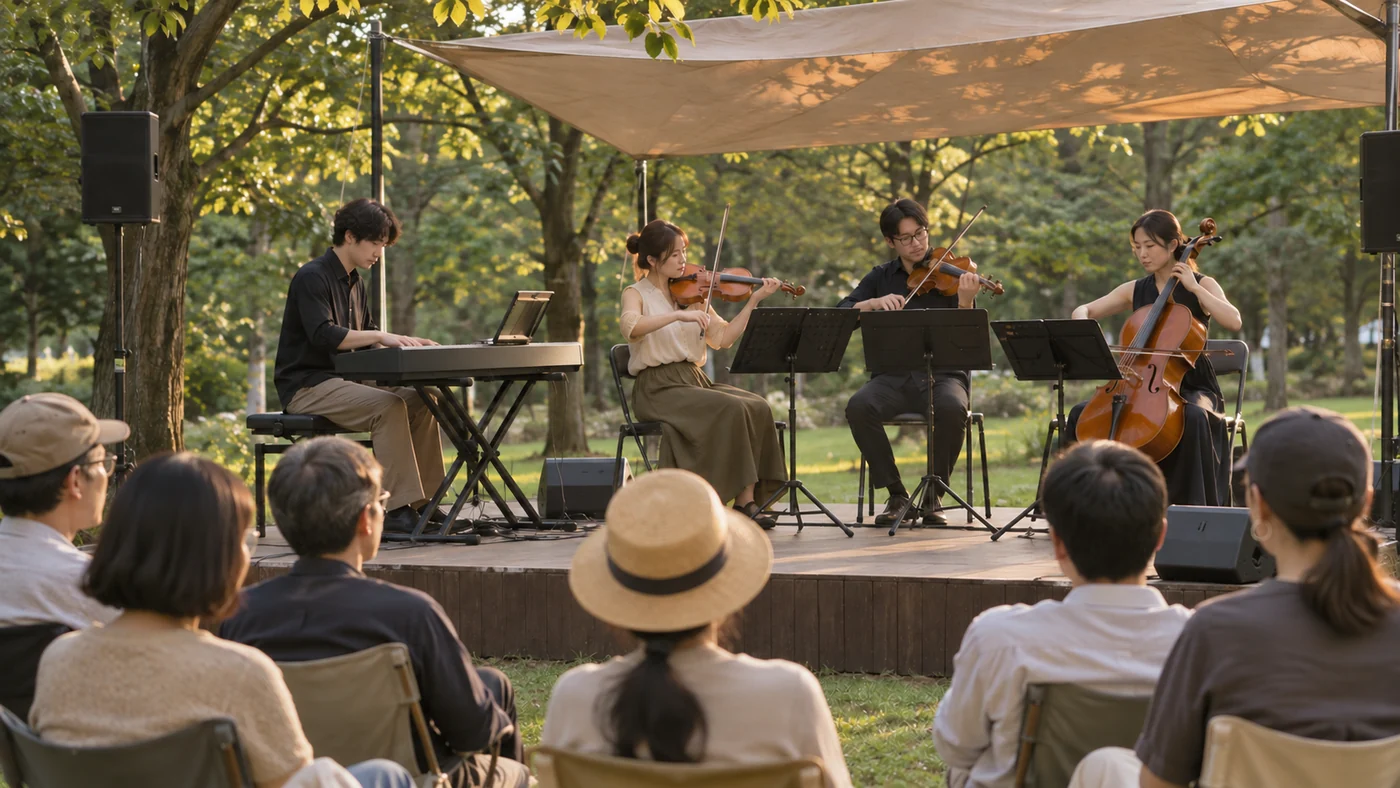
On 13 and 14 June 2026, Red Bull Symphonic held performances in an outdoor space at Montecasino in South Africa. House music and an orchestra played together. As the approach to bringing music together changed, so did the criteria for choosing the venue.
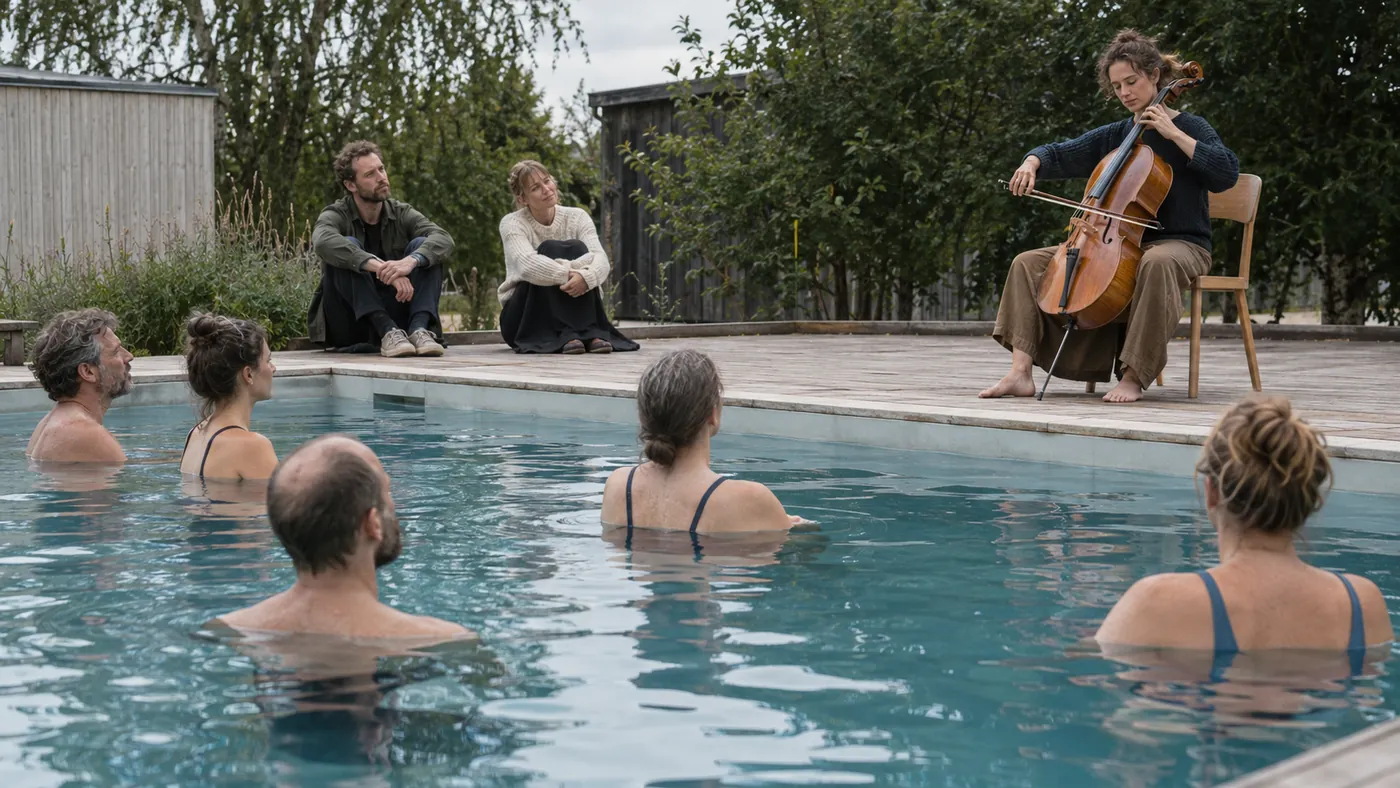
On 15 March 2026, Borealis presented Paragorgia at the Nordnes Sjøbad swimming pool in Bergen, Norway. Instead of sitting in auditorium seats, the audience immersed themselves in the pool and listened while watching the musicians performing at its edge.
Read the article
What kind of event are you planning?
Choose an event type for example tasks and related guides before, during and after the event. Your needs depend on the event and venue.
Corporate events example
Before the event
For a company sports day, compare each participant’s match times and travel time.
EVENTODIT is an event planning and practice library for event planners and practitioners. Explore practical guides and case studies to help prepare your own event.